 keymodels
Crowdsourcing
How can crowdsourcing improve people, teams, or organisational effectiveness?
Contents
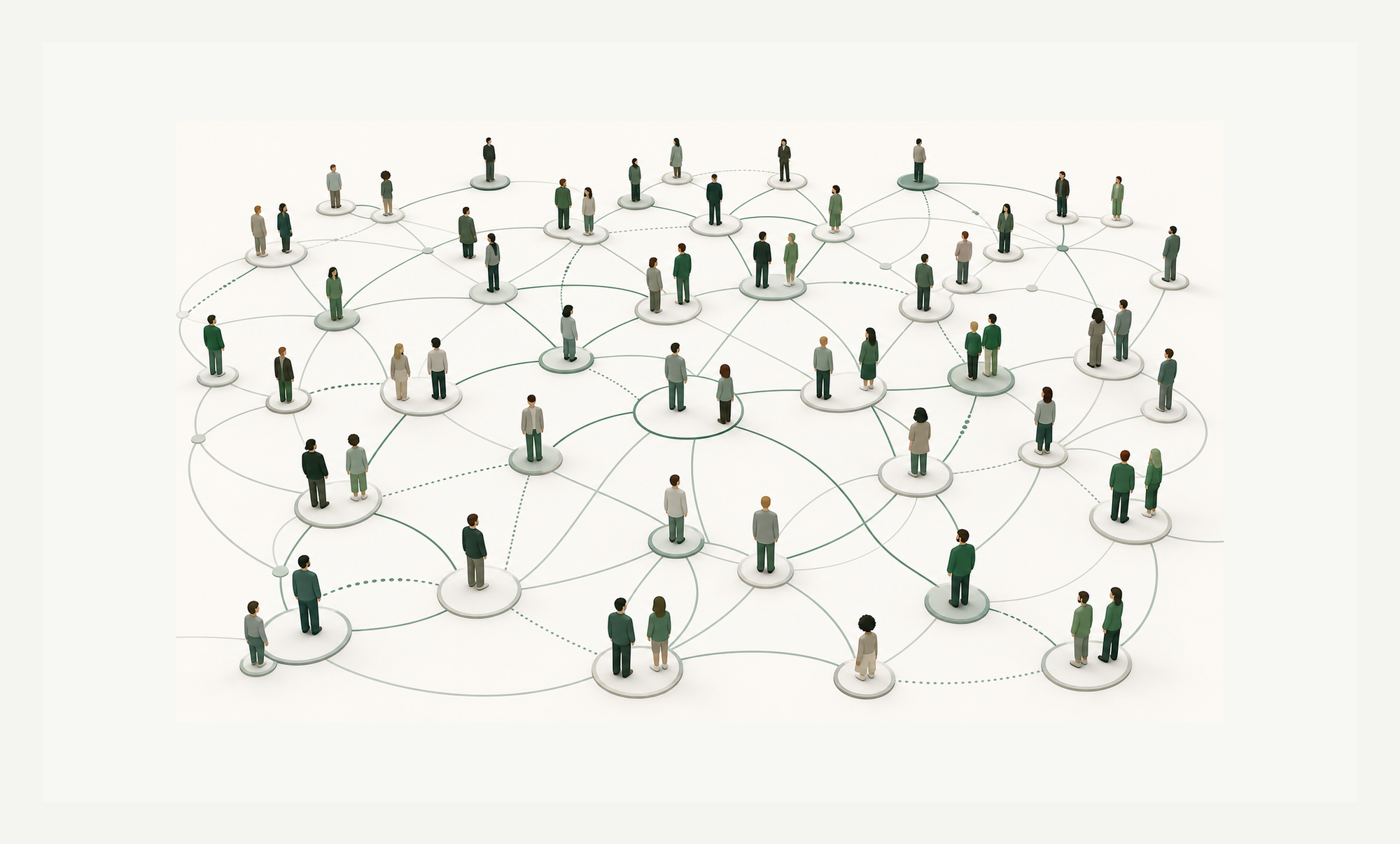
Crowdsourcing is a method that captures the knowledge, ideas and creativity of a large group of people or even a group as large as society as a whole.
Crowdsourcing uses an open call to gather ideas, knowledge, effort or judgement from a large network. A well-framed question lets an organisation reach contributors beyond the people normally assigned to the problem.
When to use it
Use it early enough for outside input to influence the work, before a decision is fixed. Invite a relevant community, or deliberately include people from another field when reframing is valuable. Keep decision rights explicit: contribution does not automatically confer authority.
Business-to-customer (B2C) companies use crowdsourcing for marketing and product decisions. A large crisp manufacturer, for example, asked consumers to propose flavours, opened the shortlisted ideas to a public vote and produced the winner.
Origins
Public competitions and distributed voluntary problem-solving predate the internet. Journalist Jeff Howe coined crowdsourcing while developing a Wired article in the mid-two-thousands and brought it to a wide audience through “The Rise of Crowdsourcing” the following June. He described an organisation making an open call to a networked population for work conventionally performed by employees or suppliers. Crowdsourcing overlaps with open innovation, citizen science, prediction markets and online communities, but each uses different incentives and aggregation mechanisms.
Continue your preview
Read more of Crowdsourcing.
Create a free account to continue this advanced article preview. Complete access is available with Pro or an eligible outcome pack, so you can see the value before deciding to upgrade.